
How to Choose an AI Corporate Trainer in India: 9 Questions
Short answer: Choose an AI corporate trainer who diagnoses your teams before training, runs mostly hands-on sessions on your own work, gives teams a shared process and checklist, covers data security, and can show named clients with measurable results. Ask for a sample agenda and what changes the week after.
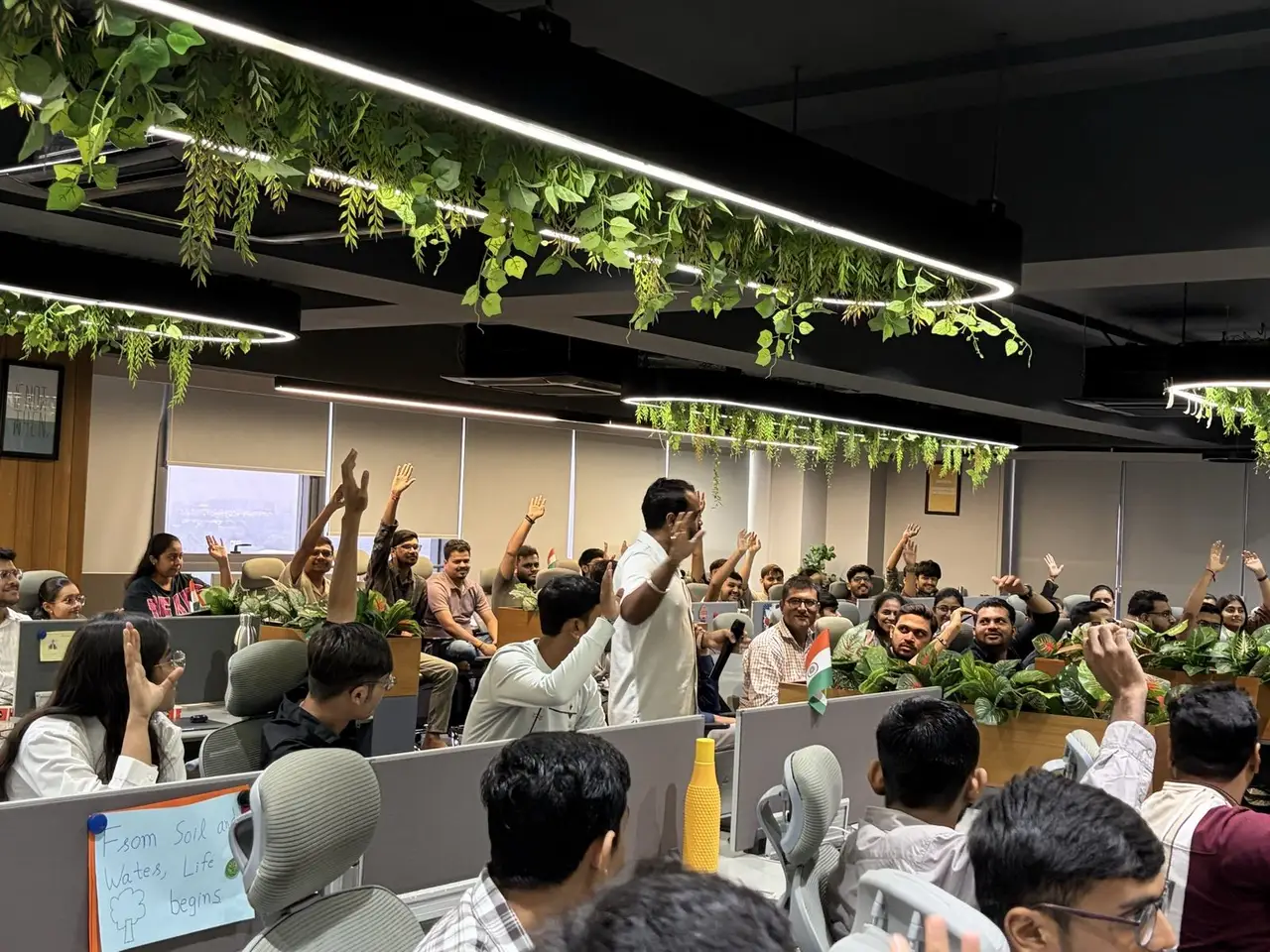
Most companies in India already pay for ChatGPT, Claude or Gemini. Very few have a team that uses them the same way. That gap is why AI corporate training is now on almost every L&D plan, and why the choice of trainer matters more than the choice of tool.
Here are nine questions to ask before you book anyone, including me.
1. Do they diagnose before they train?
A good trainer asks how each department uses AI today before writing a single slide. At Impero IT Services, the first step was collecting questions from the teams themselves. Fifty-six questions came in. Grouped together, they pointed to eight real problems, and the training was built around those eight, not a generic syllabus.
If a trainer can send you the agenda before talking to your people, the agenda is not about your people.
2. How much of the session is hands-on?
Ask for the ratio. My sessions run about 80% hands-on and 20% theory. Employees work on their own documents, data and code, so what they build in the room is what they use the next morning.
Watch out for sessions that are mostly a screen-share of someone else prompting.
3. Will the team leave with one shared process?
The most expensive problem in AI adoption is not a missing tool. It is ten people using the same tool ten different ways. Ask whether the training ends with a common process and a checklist for every AI task: what context to give, how to plan, how to review the output.
4. Do they cover context and token efficiency?
Long, wandering chats waste time, tokens and money, and the answers get worse as the AI loses track. A trainer who works with real teams will teach context engineering: how to give the AI the right information once, keep it aware of decisions as work grows, and stop it drifting from the plan.
5. How do they handle data security and client NDAs?
Your people will paste client data into AI tools unless someone teaches them where the line is. Ask how the trainer covers security, NDAs and guardrails, and whether they will adapt it to your own policies.
6. Can they train technical and non-technical teams?
Developers need different depth from sales or HR. Ask how the trainer splits a mixed company. A useful sign is a track record across both, for example development teams who now ship with fewer bugs and department heads who now produce plans and budgets with AI.
7. Can they show named clients and measurable results?
Logos are easy. Ask for named case studies with numbers and a contact you could reach. Examples from my own work include 100+ employees trained at Impero IT Services in one session, and Rishvi Technology in the UK reporting 95%+ deployment accuracy after a two-day workshop.
8. Are they current?
AI tools change every month. Ask when the content was last updated and which tools it covers today. If the answer is a fixed course from last year, keep looking.
9. What happens after the session?
Training without follow-through fades. Ask about the checklist, the playbook, refresher sessions, and whether the trainer can also help build the workflows the team discovers.
A simple way to start
If you are not sure what your teams need, start with a short discovery session or a free 90-second AI readiness check. It tells you which format fits before you commit budget.
You can see the formats I run on the corporate AI training page, or book a free consultation and bring your hardest question.
Related: corporate ai training · ai readiness assessment · impero it services corporate ai training