
Context Engineering and Token Efficiency: Stop Wasting AI
Short answer: Context engineering means giving AI the right information once, in a structured way, and keeping it current as work progresses. Token efficiency follows: shorter, focused sessions with a clear brief, a plan and a review checklist cost less and produce better answers than long, wandering chats.
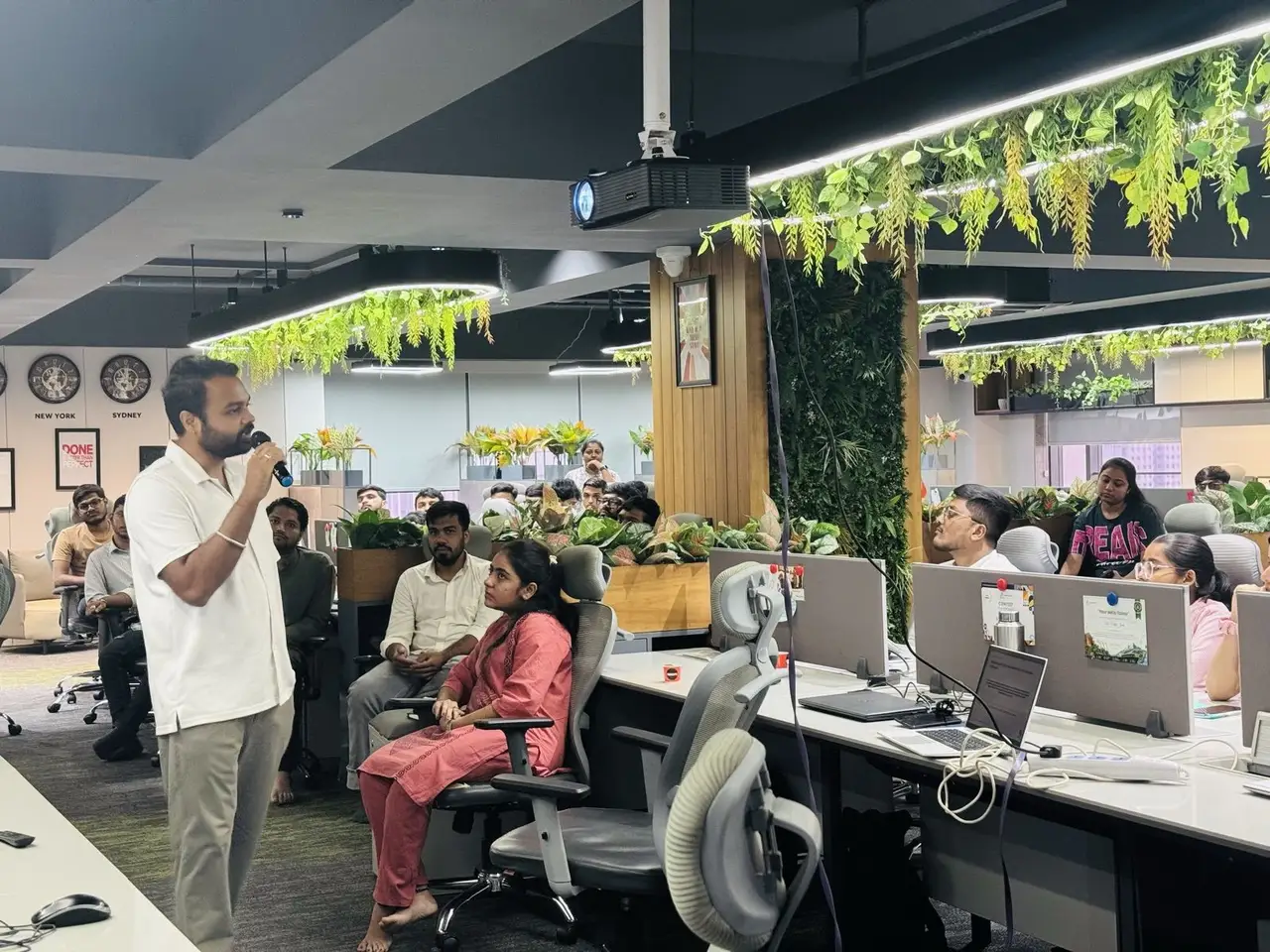
Prompt engineering got everyone started. Context engineering is what keeps teams productive once the work gets real.
Why long chats go wrong
Every AI model works from what is in front of it. In a long chat, the important details from the start get buried under everything that came after. The model starts guessing, drifts from the plan, and you spend more messages correcting it. More messages means more tokens, and more cost, for worse output.
Teams I train see this every day: a task that should take ten minutes turns into an hour of back and forth.
The context habit
Before the first prompt, give the AI a short brief:
- Goal: what done looks like.
- Context: the facts, files and decisions it must respect.
- Constraints: what it must not change, and the format you need.
- Plan: ask it to propose steps and wait for approval before doing them.
For ongoing work, keep that brief in a file or project instruction so every new session starts informed. This is what keeps the AI aware of architecture and decisions as a project grows.
The checklist habit
At Impero IT Services we turned this into a checklist every person runs for every AI task. The same steps, every time:
- Context set before the first prompt.
- Plan agreed, scope fixed.
- Output reviewed against the checklist.
- Sensitive data kept out.
- Useful prompts saved to the team playbook.
The result is predictable quality and far fewer wasted tokens, because people stop repeating themselves.
Switching tools without losing context
People often move between ChatGPT, Claude and Gemini mid-task. Without a written brief, all the context stays behind in the old tool. With one, you paste the brief and continue. Tool continuity is a context problem, not a tool problem.
Where agents fit
Agents are context engineering at scale: a clear job, the right inputs, a plan and a review step. Teams that master the habits above find agents far easier to trust.
If your teams are burning time and tokens, a hands-on session on their real work fixes it quickly. See the corporate AI training formats or book a free consultation.
Related: why corporate ai training fails · corporate ai training · ai agents